A combi oven is a commercial cooking appliance that uses convection heat, steam, and a combination of both in one unit. For Australian hospitality businesses, it is one of the most versatile pieces of cooking equipment available to a commercial kitchen, helping venues bake, roast, steam, reheat, regenerate and finish food with greater consistency.
Unlike traditional ovens or single-purpose kitchen appliances, a combi oven gives chefs greater control over temperature, humidity and airflow. This makes it a practical, space-saving piece of equipment for restaurants, cafés, hotels, caterers, healthcare kitchens, education facilities, and foodservice venues that manage varied menus and service demands.
How Does a Combi Oven Work?
A combi oven works by controlling heat, moisture and airflow inside the cooking chamber. Its core function is to switch between or combine three main cooking modes: convection, steam, and combination cooking. These cooking methods allow operators to adjust the cooking process to suit different foods, textures and service requirements.
| Convection mode |
Pastries, roasts, baked goods, vegetables |
Browning, crisping and faster cooking |
| Steam mode |
Vegetables, fish, rice, eggs, reheating |
Moisture retention and gentle cooking |
| Combination mode |
Poultry, proteins, casseroles, banquets |
Browning with moisture control and reduced shrinkage |
What is Convection Mode?
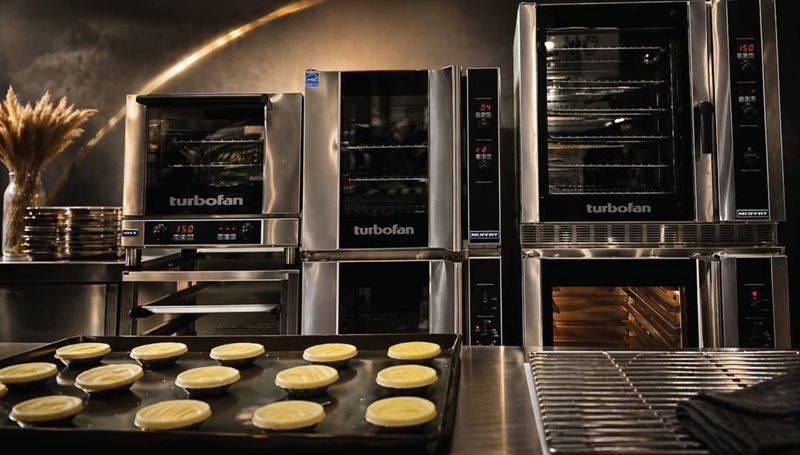
Convection mode uses circulating dry heat and hot air to cook food evenly. It works like a convection oven but offers more advanced control and better performance for commercial kitchens.
This mode is ideal for baking, roasting, pastries, croissants, and any food where you want color, texture, and a crispy finish. It also helps bake bread evenly and supports crisp crusts when humidity is managed well.
What is Steam Mode?
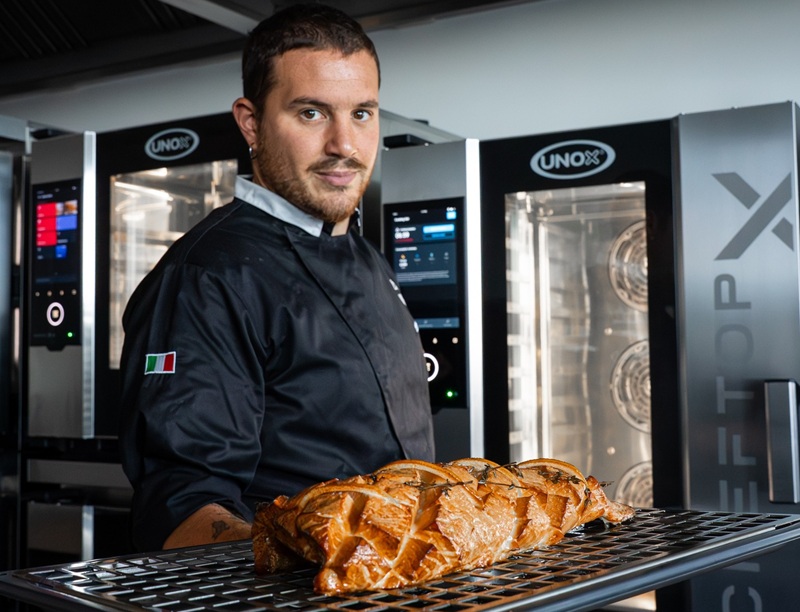
Steam mode uses moist heat, which can come from injected steam, a boiler, or boilerless technology, depending on the model. It is ideal for steaming vegetables, fish, rice, dumplings, and reheating prepared meals.
It helps retain moisture, colour and nutrients, making it valuable in healthcare, aged care, education and catering environments where consistency and meal quality matter. It can also support gentle techniques such as poach applications.
What is Combination Mode?
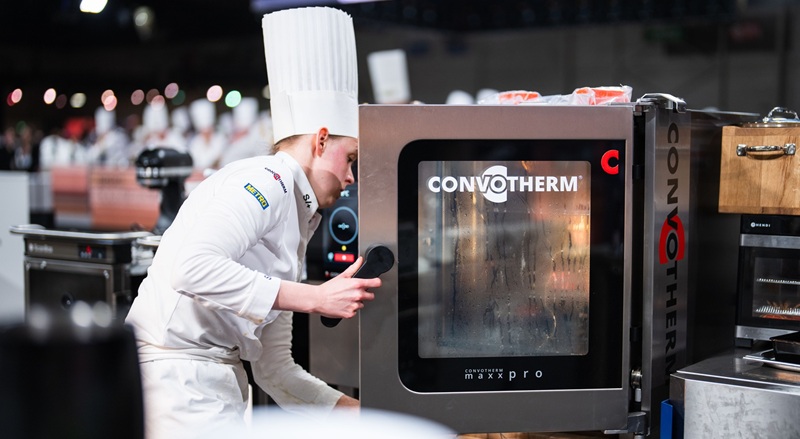
Combination mode uses both steam and convection simultaneously. This makes a combination oven especially useful for proteins, poultry, casseroles and high-output service where food needs to stay moist while still developing colour.
This is where a combi steam oven is most valuable. Operators can roast chicken, cook vegetables, reheat meals, prepare banquets, and manage sous vide-style cooking with precise control over humidity and temperature.
Why Use a Combi Oven in a Commercial Kitchen?
A combi oven is built for versatility. It can replace separate steamers, holding cabinets, and some conventional ovens, helping kitchens with limited space use fewer appliances. In many venues, it also reduces the need for commercial fryers or microwaves for some reheating and finishing tasks.
Programmable cooking cycles help reduce labor by letting teams store recipes they use often. This is especially helpful when different staff need to deliver consistent results for breakfast, lunch, dinner, or banquets.
Combi ovens can help reduce food waste. By controlling humidity, operators keep moisture in proteins and vegetables, improve yield, and avoid overcooking. This helps venues maintain quality and manage food costs.
Compared with many traditional ovens, combi ovens can improve cooking times by combining airflow, humidity and controlled heat. This is particularly useful during peak periods when venues need to cook food quickly without compromising texture.
They can also support energy efficiency, especially when one appliance replaces multiple units. Actual usage will depend on the model, load, menu, cooking volume and whether the unit is electric or gas.
Who Uses Combi Ovens?
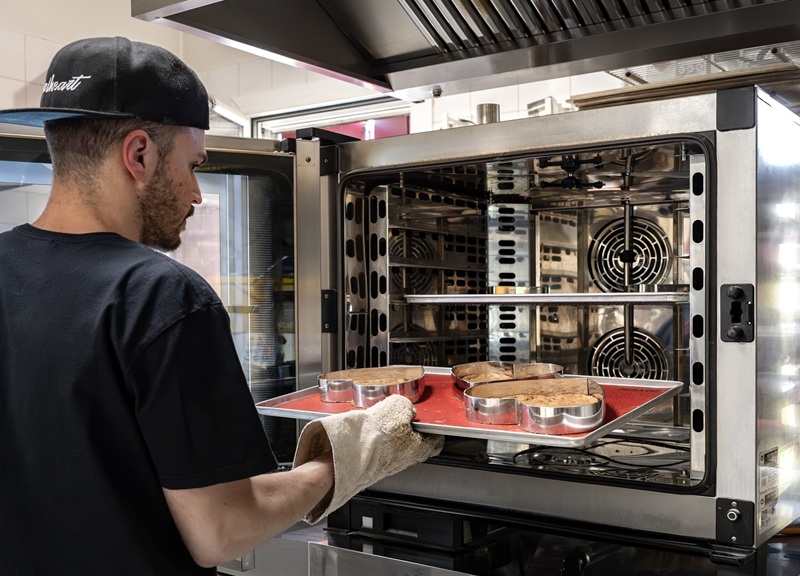
Restaurants and cafés: Combi ovens help chefs move between roasting, baking, steaming and reheating with speed and consistency. They are useful for venues with changing menus and compact kitchens.
Hotels: Hotels use combi ovens for high-volume cooking, breakfast service, banquets, room service, and preparing buffets.
Catering companies: Caterers use combi ovens for batch cooking, cook-chill processes, reheating, and making consistent meals at scale.
Healthcare and aged care: These kitchens use combi ovens to prepare nutritious meals with reliable control over texture, temperature, and moisture.
Education and canteens: Schools, universities, and canteens benefit from easy operation, repeatable programs, and efficient bulk meal preparation.
QSR venues: Quick-service restaurants use combi ovens when speed, consistency, and repeatable results are essential.
Key Features to Look For When Buying a Combi Oven
When choosing the best combi oven for your venue, consider how your kitchen operates, the volume of meals you produce, and the level of control your team needs.
- Programmable cooking modes and recipe storage: These features help deliver consistent results across shifts, especially in multi-site operations.
- Self-cleaning cycles: A self-cleaning system can reduce manual labour and help maintain hygiene standards.
- Touchscreen vs dial controls: A touchscreen interface may suit venues that want guided programs, while dial controls can be practical for simple, fast operation.
- Water filtration compatibility: Good water quality helps steam performance and keeps equipment reliable over time.
- Tray capacity and GN pan compatibility: Decide if you need compact, half-size, or full-size capacity based on your service volume.
- Ventilation requirements: Check if the unit needs extraction, ventless technology, or special installation conditions.
- Energy efficiency ratings: Compare power use, water use, and output to understand long-term operating costs.
- Connectivity features: Some models offer wi-fi connectivity for recipe management, monitoring and software updates.
- Installation format: Depending on your layout, you can choose built-in, freestanding, or benchtop models.
Combi Oven Brands Available at Reward Hospitality
Reward Hospitality offers a wide range of combi ovens in different sizes, specifications, and price points. This helps Australian venues find equipment that fits their menu and operations.
Rational
Rational combi ovens are known for advanced cooking intelligence, automated programs and strong performance in busy commercial kitchens.
Turbofan
Turbofan provides practical commercial cooking equipment for cafés, bakeries, restaurants, and foodservice operators who need reliable performance.
Unox
Unox combi ovens use modern controls and efficient cooking, making them a good choice for operators who want consistency, speed, and flexibility.
Browse the Reward Hospitality combi oven range to compare capacities, features and formats for your venue.
Frequently Asked Questions
What is a combi oven?
A combi oven is a commercial oven that combines convection cooking, steam and combination cooking in one appliance. It allows operators to control heat, humidity and airflow for a wide range of menu items.
What are combi ovens used for?
Combi ovens are used for roasting, steaming, baking, reheating, regenerating meals, cooking proteins, preparing vegetables and producing consistent results in commercial kitchens.
How does a combi oven work?
A combi oven works by using dry convection heat, steam, or both. This allows chefs to choose the right balance of heat and moisture for the food they are preparing.
What is the difference between an oven and a combi oven?
A standard oven usually uses only dry heat. A combi oven adds steam and humidity control, allowing it to cook, steam, roast, reheat and finish food with more flexibility.
What is the difference between a fan oven and a combi oven?
A fan oven circulates hot air for even cooking. A combi oven also circulates hot air, but adds steam and humidity control for greater moisture retention and menu flexibility.
What can you cook in a combi steam oven?
You can cook vegetables, fish, poultry, meat, rice, eggs, baked goods, casseroles and prepared meals in a combi steam oven. It is suitable for both delicate foods and high-output commercial production.
Are combi steam ovens worth it?
For many hospitality venues, combi steam ovens are worth it because they replace multiple appliances, save space, improve consistency and support faster service.
Are combi ovens energy efficient?
Combi ovens can be energy-efficient when they replace multiple appliances or reduce cooking time. Power usage depends on the unit size, model, load, menu and service volume.
How much power does a combi oven use?
Power use varies by model, capacity and fuel type. Compact electric units may suit smaller cafés, while larger commercial units require higher electrical capacity or gas connection for large-scale production.
How do you clean a combi oven?
Many modern combi ovens include automatic cleaning programs. Operators should also follow the manufacturer’s cleaning instructions, use approved chemicals and maintain filters, seals and the cooking chamber.
Can a combi oven replace a traditional oven?
Yes, in many commercial kitchens, a combi oven can replace a traditional oven, a steamer, or a holding unit. However, the right setup depends on the venue’s menu, output and workflow.
What features should I look for in a combi oven?
Look for tray capacity, GN pan compatibility, programmable recipes, cleaning cycles, water filtration, controls, ventilation needs, connectivity, energy performance and after-sales support.
What are the disadvantages of a combi oven?
The main disadvantages are higher upfront cost, installation requirements, staff training and maintenance needs. However, these are often balanced by improved consistency, efficiency and reduced equipment duplication.