For restaurants, hotels, cafes, and other hospitality venues, hygiene is not optional. It is an essential requirement that supports food safety and customer confidence. Maintaining high cleaning standards plays a direct role in preventing contamination, illness, and delivering a safe dining experience. Busy hospitality environments face constant hygiene risks. That's why using the correct cleaning tools is highly recommended. To manage these risks effectively, we need to rely on colour coded cleaning systems and apply them. By assigning specific colours to designated areas and tasks, these systems promote high-quality standards for cleanliness and hygiene.
Colour coded cleaning systems use different colours to clearly show which cleaning tools should be used in specific areas of a hospitality venue. These systems cover everyday items such as wipes, cloths, mops, buckets, and other cleaning equipment. The main goal is to stop tools from being used in the wrong areas. For example, cleaning tools used in toilets or washrooms should never be used in food preparation or dining areas. By keeping tools separated by colour, venues can reduce the spread of harmful bacteria and contaminants. This makes correct cleaning practices easier to follow and helps maintain safer, cleaner environments.
The Importance of Colour Coding in Hospitality Venues
Colour coding helps hospitality venues maintain high hygiene standards. By using different colours for different areas, it will be less likely to spread bacteria from toilets and waste areas to kitchens and dining areas. This separation reduces cross-contamination and helps protect both customers and staff. Another key benefit of this system is consistency. In venues with rotating shifts, colour coding ensures that the same cleaning standards are followed every day. This makes it easy for staff to know which tools to use. Colour coded systems also support food safety and workplace hygiene requirements. They provide a clear and organised way to manage cleaning tasks. It also reduces mistakes by making it quick and easy to choose the right tools. This allows staff to clean more efficiently and safely, even during busy service periods.
Standard Colour Coding and Area Allocation
Colour coding systems may differ from one venue to another. Still, many businesses use a similar setup that is widely recognised across the industry. Using specific colours for specific areas makes it easy for staff to choose the right cleaning tools and helps reduce the risk of cross-contamination.
- Red - Used for toilets, bathrooms, and other sanitary areas. These spaces carry a higher risk of harmful bacteria, so tools marked in red should be kept strictly within these zones and never used elsewhere.
- Blue - Assigned to general areas such as dining spaces, front of house, and service areas. This includes tables, counters, and other customer-facing surfaces that require regular cleaning but are at lower risk than food preparation zones.
- Green - Reserved for food preparation and kitchen areas. Cleaning tools in this colour are used on food-contact surfaces, benches, and equipment where strict hygiene controls are essential to prevent contamination.
- Yellow - Often used for high-risk zones, including raw food handling areas or isolation spaces. These areas require extra care, and yellow tools help clearly identify equipment that should not be used outside these zones.
Colour coded cleaning systems are most effective when applied across all cleaning tools used in a hospitality venue. Using the same colour system for every item helps staff follow correct cleaning practices and reduces the risk of cross-contamination.
Colour coded wipes and cleaning cloths are commonly used for wiping benches, tables, equipment, and other surfaces. Assigning colours to specific areas ensures these cloths are not moved between zones, especially between sanitary areas and food preparation or dining spaces.
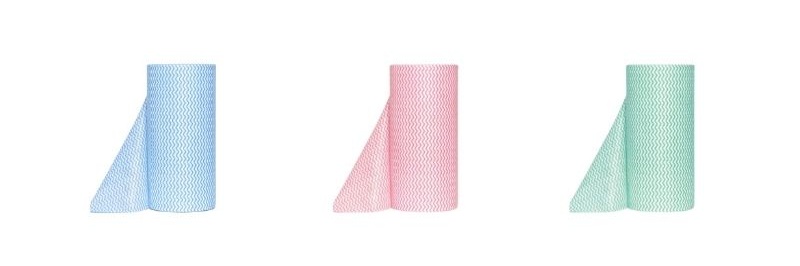
Kleaning Essentials offer All Purpose Wipes in 3 different colours - Blue, Red, & Green. These wipes are extra-absorbent and reusable that provide enhanced durability to handle daily cleaning tasks with ease. It also has Heavy Duty Wipes (available in blue, red, & green) that provides an efficient and hygienic solution for spills and messes in any environment. These extra-absorbent wipes are quick and easy to use, offering excellent strength for heavy-duty cleaning. The colour coding system promotes a sterile and organised cleaning space, making them ideal for homes, offices, and workplaces.
Colour coded mops and mop heads are essential for floor cleaning in different areas of the venue. Floors in kitchens, bathrooms, and customer areas face different hygiene risks, so using the correct mop for each zone helps prevent bacteria from spreading through foot traffic and shared equipment.
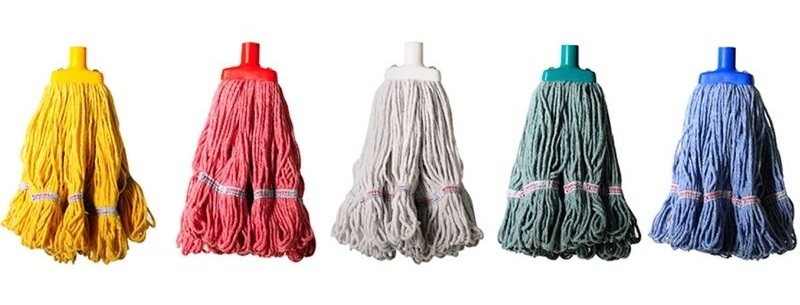
Kleaning Essentials also offer different types of mops, available in multiple colours (White, Yellow, Blue, Green, & Red). The Cotton Mops are made from a durable rayon, polyester, and cotton blend for long-lasting performance. Designed for heavy-duty use, they offer excellent absorbency to handle spills and general cleaning with ease. While the Polyester Mops offer durable, highly absorbent performance for demanding cleaning tasks. Made from a robust poly-cotton blend, it's built to last through heavy use.
Colour coded buckets and wringers work alongside mops to maintain proper separation between areas. Matching bucket colours to mop heads makes it clear which cleaning solution and equipment belong to each zone, supporting safer and more organised cleaning routines.
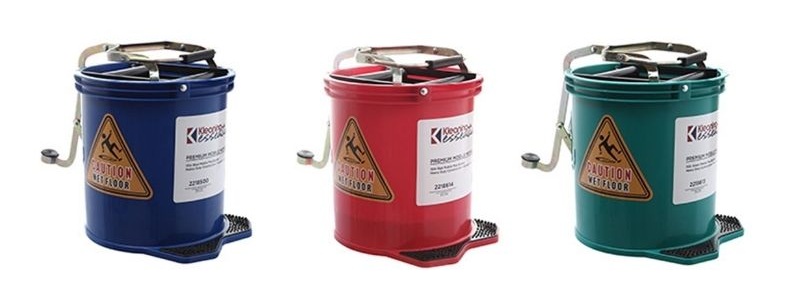
Some products like the Kleaning Essentials Mobile Plastic Mop Buckets are built for tough, heavy-duty cleaning tasks. Available in 4 colours (Green, Yellow, Red, & Blue), they are made from a lightweight plastic body with a non-slip foot pedal for easy wringing and greater control. Their extra-wide mouth opening wringer suits larger mops, while wheels underneath makes moving liquids effortless.
Additional tools such as brushes, spray bottles, gloves, and scourer sponges can also be colour coded. This further strengthens hygiene control by ensuring all cleaning equipment follows the same system and reduces confusion during busy periods.
Common Mistakes to Avoid
Even the best colour coded cleaning systems can fail if certain mistakes are made. Here are some common errors hospitality venues should avoid:
Using the same tools across multiple areas
One of the biggest risks is sharing cleaning tools between high-risk and low-risk areas. For example, using a mop or cloth from a bathroom in the kitchen can easily spread bacteria and defeat the purpose of colour coding.
Inconsistent colour coding between products
All cleaning tools should follow the same colour scheme. Using different colours for the same area, or mixing products with no clear system, creates confusion and increases the risk of cross-contamination.
Lack of staff training or refresher sessions
Staff need clear guidance on which tools to use in each area. Without regular training or refresher sessions, mistakes are more likely, especially with new or temporary staff.
Poor storage leading to tool contamination
How tools are stored matters. Buckets, mops, cloths, and sponges should be kept separate by colour and allowed to dry properly. Storing them incorrectly can lead to contamination and reduce the effectiveness of the cleaning system.
Implement a colour coded cleaning program today! Explore our range of colour coded cleaning tools and create a safer, more efficient environment for your venue.