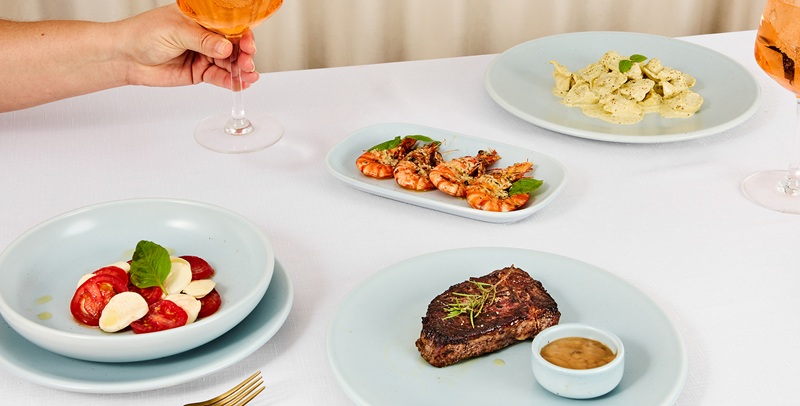
Tableware crockery has evolved to become a defining element of how venues present their dining experience. Across cafés, restaurants and hotels, there’s a clear shift away from traditional plain white sets towards more expressive designs. Mixed-colour crockery is trending because it allows venues to create a sense of personality at the table. By combining different tones, textures, and finishes, operators can deliver a more considered look that feels more personalised. This approach enhances visual appeal and helps dishes stand out.
For modern hospitality, crockery plays a key role in shaping the atmosphere. Warmer, layered colour palettes can make a space feel more inviting, while contrasting tones can add energy and sophistication. As diners increasingly value experience as much as the food itself, using colour in commercial crockery has become a simple yet effective way to elevate the overall dining environment.
How To Mix & Match Tableware Crockery
1. Start with a cohesive colour palette
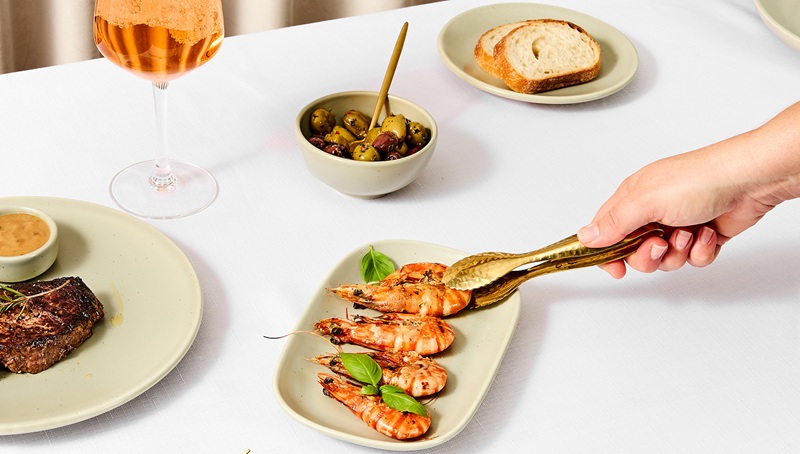
The foundation of successful tableware crockery styling is a well-defined colour palette. Focus on complementary tones such as soft neutrals, muted pastels, or earthy shades. This creates a table setting that feels considered and intentional, rather than busy or inconsistent. A cohesive palette allows different pieces to vary in tone while still maintaining visual harmony across the table. Popular tableware crockery colour combinations often centre around neutral and earthy tones like stone, sand, and olive for a relaxed, modern feel. Black and white pairings remain a strong choice for contrast-driven presentations, while deep blues or greens can be introduced as accent pieces to elevate key dishes. For a more refined approach, tonal layering within a single colour family delivers a clean, premium aesthetic that works across a wide range of venues.
2. Mix shapes and layers thoughtfully
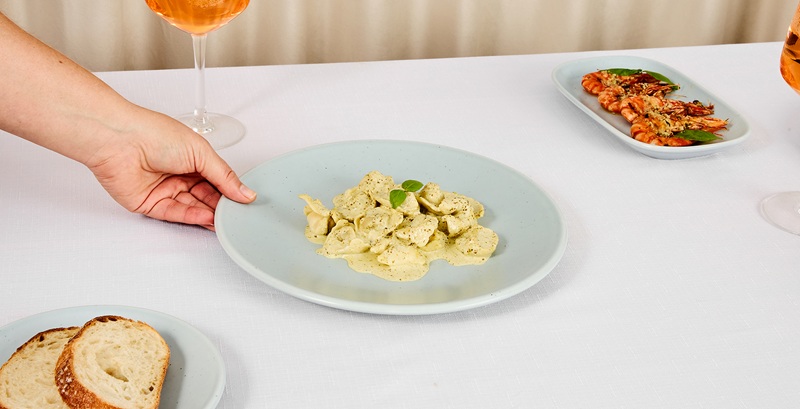
Beyond colour, shape plays a critical role in building depth and interest. Combining coupe plates, bowls, platters, and smaller side pieces helps create a layered tabletop. The key is balance while ensuring each piece still complements the overall look. Stacking elements visually, such as placing a bowl on a larger plate, adds dimensions and enhances presentation.
3. Match your crockery to your menu style
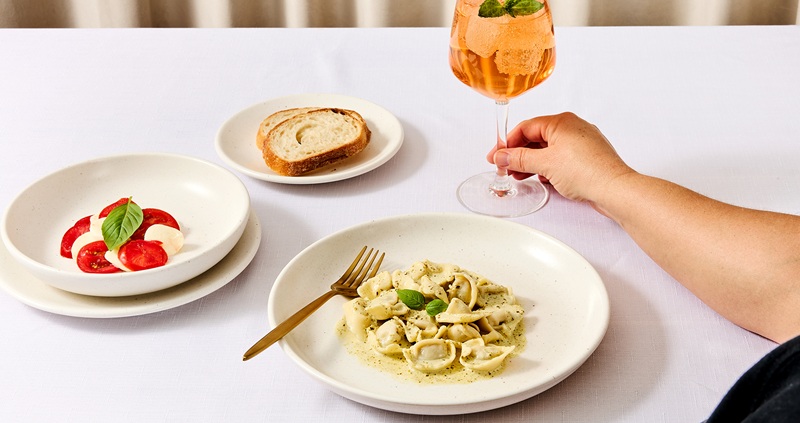
Different venues will approach restaurant crockery styling in different ways. Cafés often lean towards softer, more relaxed colour palettes that reflect approachable, everyday dining. Shared dining venues benefit from varied tones and textures that highlight multiple dishes across the table. Premium restaurant crockery is usually a more refined and controlled combination. They use contrast or tonal layering to frame plated dishes. Meanwhile, casual venues benefit from bolder, more playful colour mixes.
4. Balance creativity with practicality
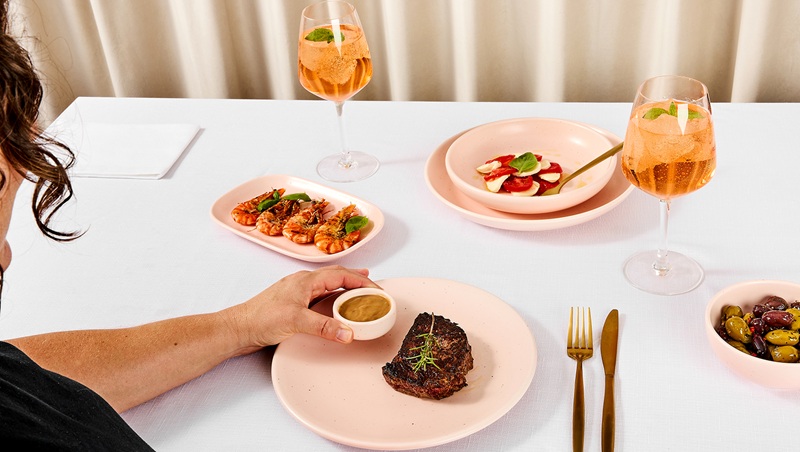
While visual impact is important, commercial crockery must also perform well in high-pressure environments. Durability, stackability, and dishwasher safety are essential considerations when selecting pieces for service. Choosing a crockery set that can withstand frequent handling, cleaning, and storage ensures consistency over time and protects your investment. The most effective approach is to balance creativity with operational efficiency by selecting designs that look great on the table but are equally reliable behind the scenes.
Avoid These Common Mix-and-Match Mistakes
Mixing tableware crockery colours can elevate your presentation, but without a clear approach, it can quickly feel disorganised. One of the most common mistakes is using too many colours at once. While variety adds interest, an overload of tones can make the table look cluttered rather than curated. Clashing tones is another issue, as not all colours naturally complement each other. Combining shades without considering undertones can disrupt the overall aesthetic. For example, pairing warm, earthy hues with cool, stark tones without a transition can feel mismatched.
Inconsistent quality across pieces can also affect the look of your dinnerware crockery. Mixing high-end finishes with lower-grade items can create a noticeable disconnect. Maintaining a consistent level of quality ensures a polished presentation. Replacement availability is often overlooked. In busy hospitality venues, breakage is inevitable. Selecting commercial crockery that is part of an ongoing range ensures you can easily replenish stock without disrupting your overall look.
Create a Cohesive Tabletop with Infusions
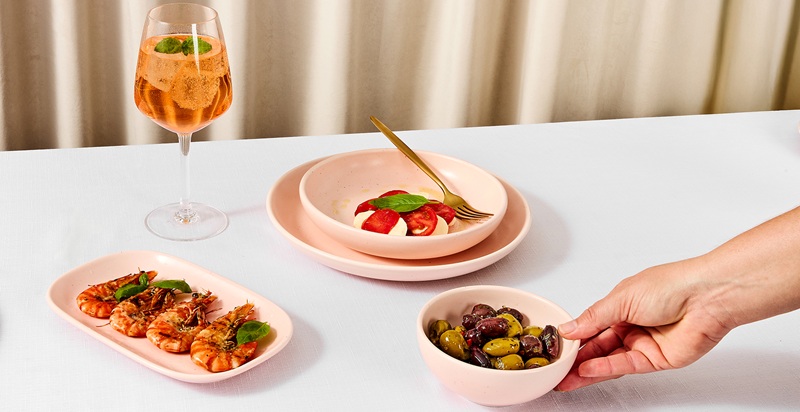
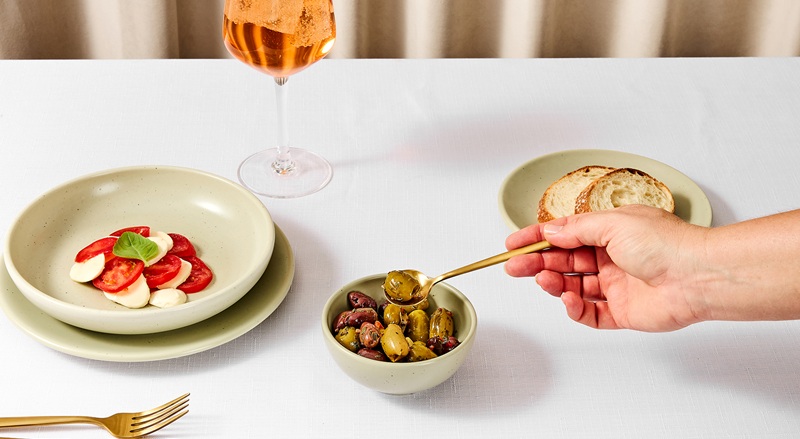
Bringing a mix-and-match concept together becomes significantly easier when your tableware crockery is designed to work as a system. The Accolade Infusions range has been developed with this in mind. It offers coordinated colourways and complementary finishes that sit well together. Available in a selection of colours, Infusions allows you to build a cohesive palette without overthinking combinations. The semi-matte glaze and subtle speckled detailing introduce texture and visual depth, helping each piece stand out individually while still contributing to a unified tabletop. This makes it ideal for venues looking to layer tones, introduce contrast, or create a more organic, design-led presentation.
Beyond aesthetics, Infusions is built for commercial performance. Crafted from vitrified, alumina-rich porcelain, it offers durability, chip resistance and suitability for high-volume service environments. The versatility of the range also supports a wide variety of service styles. With a balanced mix of plates, bowls, platters, and sauce dishes, Infusions enable operators to create depth through layering while maintaining consistency across the table.
Frequently Asked Questions (FAQs)
Can broken crockery be recycled?
In most cases, broken crockery cannot be recycled. Materials like porcelain, ceramic, and stoneware are fired at high temperatures, making them unsuitable for typical glass or recycling streams. However, some specialised facilities may accept them for construction or aggregate use. For commercial kitchens, it’s best to check with local waste providers or consider reusing options such as repurposing for drainage, landscaping, or non-food applications.
What is the difference between commercial crockery and household crockery?
Commercial crockery is specifically designed for high-volume hospitality environments. Meanwhile, household crockery is made for occasional, domestic use. Commercial-grade pieces are more durable, often vitrified for strength. They also prioritise consistency, replacement availability, and performance under pressure. Household crockery, while often more decorative, typically lacks the durability and longevity required for commercial venues.
What are the types of crockery?
Crockery refers to the essential tableware used for serving food and includes a wide range of items such as plates, bowls, platters, cups, and saucers. These can come in different styles and forms, including coupe plates, rimmed plates, deep bowls and shared platters. In commercial settings, crockery is often selected based on function, presentation style, and how it supports service efficiency and overall table aesthetics.
What is the difference between dinnerware and crockery?
The terms are often used interchangeably, but there is a subtle distinction. Crockery traditionally refers to ceramic-based tableware such as porcelain, stoneware, and earthenware. Dinnerware is a broader term that includes all types of tableware used for serving meals, including crockery, glassware, and cutlery. In hospitality, crockery typically refers specifically to the ceramic plates and bowls used for food presentation.
Which material is best for crockery?
For commercial use, vitrified porcelain is widely considered the best material for crockery due to its strength, durability, and resistance to chipping. It is fired at high temperatures, creating a dense, non-porous surface that performs well in demanding environments. Stoneware is another popular option, offering a more rustic aesthetic with good durability. The best choice ultimately depends on your venue style, but for most hospitality settings, durable commercial-grade porcelain provides the best balance of performance and presentation.