There was a time when ordering an iced coffee in Australia meant receiving something the size of a small flower vase, loaded with milk, ice cream and enough whipped cream to qualify as dessert.
We moved on. We got serious about coffee. Single origins arrived. Flat whites became a matter of national identity. Somewhere along the way, putting cream on coffee became decidedly uncool.
Well, cream is back.
Across Australian cafés, a new generation of drinks is appearing with something soft, flavoured and extremely photogenic floating on top. Cold foams, cream toppers and “clouds” are turning iced coffees, matcha, tea and even soft drinks into signature menu items.
And while it would be easy to dismiss this as another TikTok-fuelled beverage trend, there is a more interesting reason cafés should be paying attention: the economics of the humble cup of coffee are getting increasingly difficult.
The $6 flat White Problem.
Australians take their flat whites seriously. We expect the person making our coffee to understand extraction, grind size, milk texture and latte art, then baulk when the resulting drink costs much more than five bucks.
That equation is becoming harder to maintain.
Australia has more than 27,000 cafés and coffee shops, but rising bean prices, wages, rent, energy and insurance have put considerable pressure on operators. By 2026, the average flat white had risen around 30% since COVID, while industry profit margins had reportedly slipped from around 3.5% to 2.5%.
There are only so many times a café can increase the price of a flat white before somebody complains.A signature drink changes the conversation. Customers aren't necessarily comparing the price of a strawberry matcha or Tiramisu cold brew with the flat white next door. They are buying something they can't get next door.
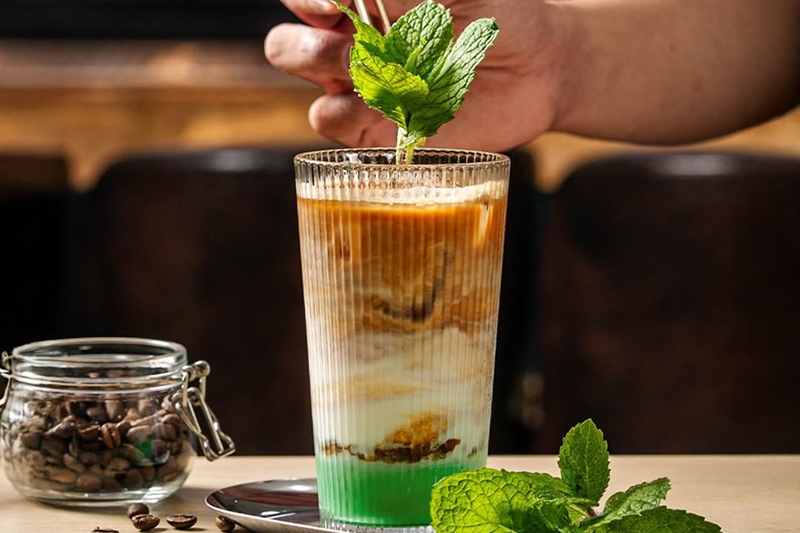
Melbourne's Mont Blanc Moment
For a lesson in the power of a signature drink, head to Good Measure in Carlton.
Its now-famous Mont Blanc is beautifully simple: chilled filter coffee sweetened, topped with cream, finished with fresh orange zest and nutmeg. It has been a top-selling drink since Good Measure opened in late 2021, but social media sent it into another stratosphere. Time Out noted that after going viral, the Mont Blanc seemed to appear on practically every table in the venue, with multiple 18L kegs of filter coffee reportedly required each week to keep up with demand.
That's the difference between selling coffee and owning a drink.
Foam is Becoming a Platform
Cold foam itself isn't particularly complicated. Typically, cream or alternative is aerated into a silky topping that can then carry flavour. It is not dissimilar in technique to using a steam wand, just without the transferable heat. (We love using a small electric hand whisk.)
What is interesting is what cafés are doing with it.
Coffee might get Toasted Marshmallow, Blood Orange or Popcorn foam. Matcha can arrive underneath coconut or pandan “clouds”. Tea can carry fruit cream topper. A dirty soda can take cola or lemonade and finish it with flavoured cream. We love Gingerbread as added spice on a Cola. The drink effectively gains another layer, literally, in which operators can play with flavour, texture, aroma and seasonality.
Globally, the numbers suggest customers are keen to play along. Starbucks reported cold foam sales growing 23% year-on-year in 2025, with foam appearing in one out of every seven beverages sold. By mid-2026, its volume of fruit-flavoured cold foams had more than doubled again during the fiscal year. This isn't just about making coffee sweeter. It's about making drinks more distinctive.
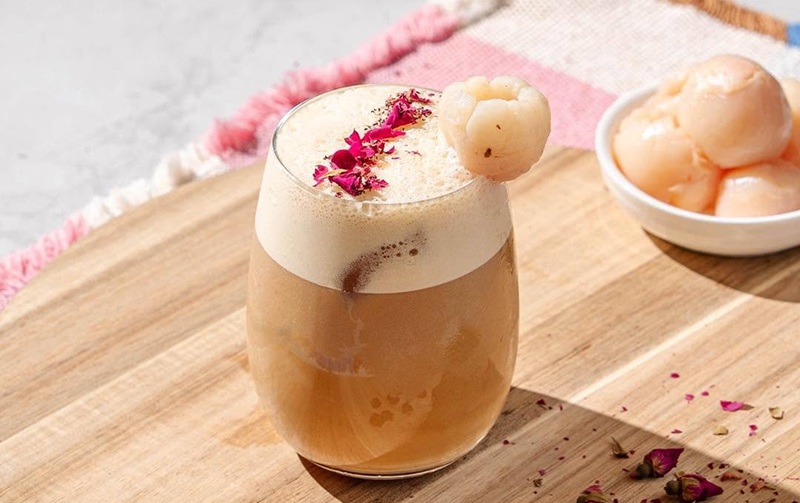
Your Next Bestseller Probably Isn't Another Latte.
The opportunity for Australian cafés is to think about their menu with the same creativity traditionally reserved for the kitchen. A chef wouldn't open a restaurant and serve the same dishes as every venue on the street. Yet plenty of cafés still offer essentially identical beverage menus, banking on regulars or a better logo to instil confidence in their guests. Cold foam is one tool for changing that. So are clouds and whatever comes next.
For operators, the sweet spot is a drink that looks difficult but is operationally simple: a familiar base, a distinctive flavour combination and one memorable finishing touch.
Enter MONIN.
Because in a market where the margin on an everyday coffee is being squeezed from every direction, the answer may not be figuring out how to charge another 50 cents for the same cup. It might be creating a cup worth talking about.
Reference/s:
https://www.commbank.com.au/articles/newsroom/2026/01/why-coffee-is-still-getting-more-expensive.html
https://about.starbucks.com/press/2025/the-fans-have-spoken-raspberry-is-a-hit/