Getting your cooking measurements and conversions right is essential when working in a fast-paced commercial kitchen. You need to remain calm under pressure while consistently producing high-quality food, and that starts with accurate measuring.
This guide explains key wet and dry cooking measurements, outlines the difference between volume and weight, and provides practical tables and tips to help you convert measurements quickly and confidently.
Overview of Cooking Measurements
In Australia, we follow the metric system, meaning most metric measurements are based on millilitres (ml) for volume and grams (g) or kilograms (kg) for weight.
When measuring ingredients:
- liquid measurements refer to volume (ml, litres)
- dry measurements refer to weight (grams, kilograms)
- some recipes use imperial measurements or the imperial system, particularly from the US
Understanding what measuring system you’re using is important, as using the wrong method can impact the final result of your dish.
Alongside these systems, there are also standard kitchen measurements that are used every day in both home and commercial cooking.
The teaspoon is the smallest of your measuring spoons. In Australian measurements, a teaspoon is the equivalent of 5ml.
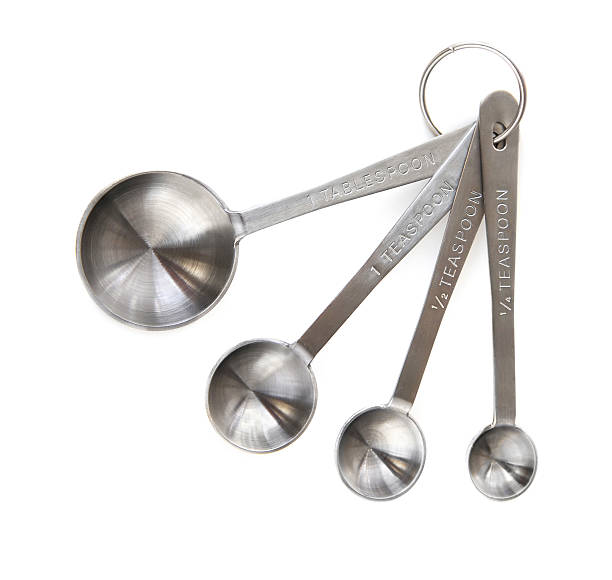
One tablespoon is equal to four teaspoons, meaning it represents a measurement of 20ml.
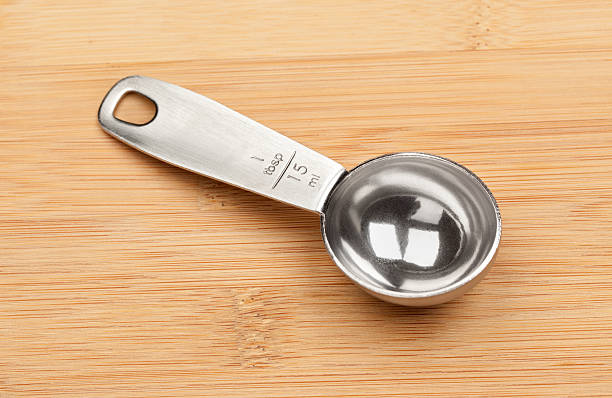
In metric measurements, a cup is equal to 250ml. However, things become slightly more complex when working with fractions of a cup. A quarter cup equals 60ml, one-third of a cup equals 80ml, and half a cup is 125ml.
Kitchen Tools For Liquid Ingredients and Dry Ingredients
Having the right tools ensures accuracy when measuring both liquid ingredients and dry ingredients.
For liquids:
- liquid measuring cup
- Jug with clear millilitre (ml) markings to help measure liquids
These are designed with a spout and extra space to prevent spills, unlike dry measuring cups.
For dry ingredients:
For best results, especially in baking, always use scales rather than relying on volume.
Liquid Ingredients Measuring Tips
When measuring liquid ingredients such as water or milk, it’s important to use the correct technique.
Place on a flat surface
Place your measuring cup or jug on a flat surface before checking the measurement. Holding it in your hand can tilt the liquid and give you an inaccurate reading, so keeping it level ensures the measurement line is true.
Check at eye level
Place the jug on a flat surface and bend down so your eyes are level with the measurement line. If you view it from above at normal standing height, the angle can distort the liquid level, making it appear lower than it actually is. This perspective effect can lead to overfilling, so always bring your eyes level with the markings for a true reading.
Pour slowly and steadily
Add the liquid gradually to avoid going over the line. If you do overfill, it’s best to adjust rather than estimate.
Don’t use dry cups for liquids
Dry measuring cups are meant to be filled to the top and levelled off—this doesn’t work well for liquids and can lead to inaccurate measurements.
Following these tips will help ensure liquid measurements are accurate especially when precise measurements are important.
Dry Measurements Best Practices
When doing dry measurements, accuracy can vary depending on how ingredients are handled.
Spoon and level (for light ingredients)
For ingredients like flour:
- Spoon measure the ingredient into the cup (don’t scoop directly from the bag)
- Overfill slightly, then level it off with a straight edge (like a knife)
This prevents packing too much in, which can throw off your recipe.
Pack when required
- Some ingredients (like brown sugar) need to be firmly packed into the cup. Recipes will usually specify this.
Level it off
- Always level off the top of the cup or spoon for an accurate measure—don’t leave it heaped unless the recipe says so.
Use scales for best accuracy
- For the most precise results (especially in baking), use kitchen scales to measure in grams instead of cups.
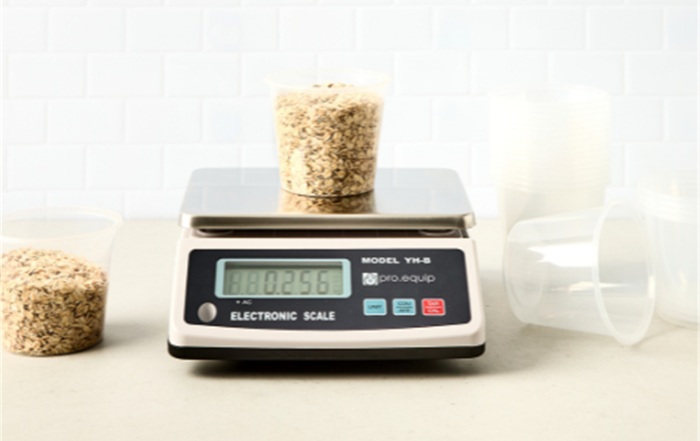
Hot Tip! While cups and spoons are useful, weighing ingredients like flour, sugar, and butter will always give the most consistent results.
What Does 1 Cup Equal?
In Australian cooking, 1 cup equals 250ml using Australian standard measuring cups.
Fractional conversions include:
- 1/4 cup = 60ml
- 1/3 cup = 80ml
- 1/2 cup = 125ml
You may also need to know:
- How many tbsp in a cup / how many tablespoons in a cup? = 16 tablespoons
- Tablespoons to cups and cups to tablespoons are commonly used when scaling recipes
US cups are slightly smaller than Australian metric cups (which are 250ml), so using the wrong one can affect your recipe.
In the US customary system, 1 cup is a standard unit of volume equal to:
- 240 millilitres (ml)
- 8 fluid ounces (fl oz)
- 16 tablespoons
- 48 teaspoons
1 cup equivalents for common ingredients:
For most liquids:
- 1 cup = 250ml
- Water, milk, oil, etc. all measure the same by volume
Plain flour → ~150g
Caster sugar / white sugar → ~220g
Brown sugar (packed) → ~250g
Icing sugar → ~160g
Uncooked rice → ~200g
Butter → ~250g
Honey / syrup → ~350g
Rolled oats → ~100g
Chocolate chips → ~180g
These measurements are approximate conversions as a “cup” is still a volume measurement, so weights differ by ingredient. For best accuracy it’s recommended to use scales (grams) wherever possible.
Imperial System And Imperial Cooking Measurements
Although Australia uses the metric system, many recipes still include imperial cooking measurements.
The imperial system uses:
Understanding both systems is essential when following international recipes.
The USA, for example, uses Imperial measurements, so if you are working from an American recipe, you need to be able to convert from Imperial to Metric if you want to get your measurements right.
In Metric measurements, liquids are measured in millilitres (ml). The Imperial system measures liquids in fluid ounces (fl oz). The below cheat sheet helps with conversions.
- 1 cup (US) = 240ml
- 1 cup (AU) = 250ml
- 1 tablespoon (US) = 15ml
- 1 tablespoon (AU) = 20ml
- 1 teaspoon = 5ml
- 1 fluid ounce (fl oz) ≈ 30ml
When it comes to the mass of solid ingredients, here in Australia we use grams and kilograms, but the Imperial system uses pounds (lb) and ounces (oz). Use the below quick guide for easy conversions.
Weight
- 1 ounce (oz) ≈ 28g
- 1 pound (lb) ≈ 454g
- 1 kilogram (kg) ≈ 2.2 lb
Fluid Ounces Versus Ounces and Volume
A common point of confusion is the difference between ounces and fluid ounces.
- A fluid ounce (fl oz) measures volume
- ounces measure weight
For example:
- 1 fluid ounce ≈ 30ml
- 1 ounce ≈ 28–30g
Understanding this distinction ensures accurate conversions when working across measurement systems.
Cooking Conversions Cheat Sheet
Below are some of the most commonly searched conversions:
- how many ml in a teaspoon = 5ml
- how many ml in a teaspoon Australia = 5ml
- how many grams in a teaspoon = 5g
- 1 teaspoon in grams Australia = 5g
- how many grams in a tablespoon = 20g
- tablespoon in grams = 20g
- tablespoon to grams Australia = 20g
- tbsp to grams = 20g
- how much is 20 grams = 1 tablespoon
- 1 cup in grams = 120g to 250g depending on the ingredient
- 1 cup to grams = typically ranges from 120g to 250g
- How many grams is 1 cup= 120g to 250g
These are the foundation of everyday cooking conversions
Cooking Measurements Conversion Table
Having a reliable cooking measurements conversion table or cooking conversion chart Australia on hand can make a big difference during busy service periods.
|
Teaspoon (tsp)
|
Tablespoon (tbsp)
|
Cup
|
ml
|
|
1
|
-
|
-
|
5
|
|
4
|
1
|
-
|
20
|
|
-
|
3
|
1/4
|
60
|
|
-
|
4
|
1/3
|
80
|
|
-
|
6.25
|
1/2
|
125
|
|
-
|
12.5
|
1
|
250
|
Measuring Dry Ingredients By Weight For Cooking and Baking
Solid ingredients are measured by weight, which refers to how heavy the ingredient is.
In Australia:
Although cups can be used, the weight of ingredients varies significantly.
Examples:
- 1 cup all-purpose flour ≈ 120–150g
- 1 cup granulated sugar ≈ 200g
- 1 cup butter ≈ 225g
Using scales ensures consistency, particularly in cooking and baking, where precision is critical.
Liquid Ingredients Volume-To-Weight Conversions
Some liquids convert closely between volume and weight:
- Water: 1ml = 1g
- milk: slightly heavier than water
- Oil: lighter than water
These small differences can affect results in more precise recipes.
Oven Temperatures and Fan Forced Oven Settings
Temperature conversions are often required when following international recipes. Australia uses degrees Celsius, where America uses Fahrenheit. The below formula will help you easily convert between Celsius and Fahrenheit.
- °C → °F = (°C × 9/5) + 32
- 180°C ≈ 350°F (common oven temp)
Fan-forced ovens typically require temperatures reduced by ~20°C as they circulate hot air to cook more efficiently.
- 180°C conventional → 160°C fan forced
Adjusting temperature correctly ensures proper cooking time and consistent results.
Preheating Tip
Fan forced ovens heat up faster, but you should still preheat fully before cooking.
For best results, allow a few extra minutes after it reaches temperature to ensure even heat throughout the oven.
Common Oven Temperature Conversions
| Conventional (°C) |
Fan Forced (°C) |
Fahrenheit (°F) |
| 120°C |
100°C |
250°F |
| 150°C |
130°C |
300°F |
| 160°C |
140°C |
320°F |
| 180°C |
160°C |
350°F |
| 200°C |
180°C |
400°F |
| 220°C |
200°C |
425°F |
Baking Pan Sizes and Portion Conversions
The easiest way to compare muffin tins is by capacity, not just number of holes.
How to do it:
- Fill one muffin hole with water
- Pour into a measuring cup
- Multiply by total holes
Example:
- 1 hole = ½ cup
- 12-hole tray = 6 cups total capacity
This tells you how much batter your tray holds and whether your recipe will fit.
Common Ingredient Substitutions and Cooking Ingredients
Sometimes substitutions are necessary due to allergies or product availability. Swapping ingredients can impact binding, moisture or structure changing the texture and flavour.
Common examples:
Milk
- Almond milk → mild, slightly nutty
- Oat milk → creamy, neutral (closest to dairy)
- Soy milk → higher protein, good structure
- Coconut milk → richer, adds flavour
- Water (in a pinch) → works, but lacks richness
- Evaporated Milk
Eggs
- Flax egg → 1 tbsp ground flaxseed + 2½ tbsp water
- Chia egg → 1 tbsp chia seeds + 2½ tbsp water
- Mashed banana → ¼ cup
- Applesauce → ¼ cup
- Yoghurt (plain) → ¼ cup
The more substitutions you make, the more the texture and flavour will change—so for best results, try to swap only one ingredient at a time.
FAQs
How many grams is a cup in Australia?
Grams per cup can vary depending on the ingredient. Flour is around 120–150g per cup, while sugar is about 200g.
How much is a tablespoon in grams?
One tablespoon equals 20 grams in Australia.
How many ml in a cup Australia?
One cup equals 250ml.
How many grams in a teaspoon Australia?
One teaspoon equals 5 grams.
How do I convert cooking measurements?
Use standard conversions or a chart to switch between cups, grams, ml and ounces.
What is the standard measurement for cooking in Australia?
Australia uses the metric system, including grams and millilitres.
What units of measurement are used in Australia?
Common units include grams, kilograms, millilitres and litres.
Understanding cooking measurements and conversions is essential for maintaining consistency, accuracy and efficiency in any kitchen.
By using the right tools, understanding the difference between volume and weight, and referring to clear cooking conversion charts, you can ensure every dish is prepared to the highest standard.