Today, the materials we choose are what make the difference in single-use packaging, which remains essential in foodservice. As the industry shifts away from fossil fuel-based plastics, plant-based bioplastics are emerging as a practical alternative designed for the circular economy.
Made from renewable resources and engineered for performance, bioplastics offer hospitality businesses a way to reduce reliance on traditional plastics while maintaining the functionality required for food packaging.
What Is Plant-Based Bioplastic?
Plant-based bioplastic is a material made from renewable resources such as corn starch or sugarcane, rather than fossil fuels. One of the most commonly used types is PLA (polylactic acid), a biopolymer used in cups, lids, containers, and bags.
Unlike conventional plastics, which are derived from finite resources, bioplastics are designed to reduce dependence on petroleum and support more circular material flows.
In foodservice, plant-based bioplastics are widely used for:
One example of bioplastic is PLA, which is used in BioPak’s packaging production. Pla is made from plant-based resources, typically fermented plant starch like corn, cassava and sugarcane, making it suitable to be mixed with food waste in a compost facility. These materials are engineered to perform like traditional plastic while offering a lower-impact alternative when paired with the right end-of-life systems.
Bioplastic vs Conventional Plastic
Traditional plastics are made from fossil fuels and are designed for durability, often persisting in the environment for hundreds of years if not properly managed.
By contrast, plant-based bioplastics are made from renewable, plant-based resources. This allows plant-based bioplastics to be designed for composting in controlled environments. This also means reducing reliance on fossil fuel extraction, a huge win for the environment and our depleting resources.
The key difference lies not just in the source material, but in how these materials fit into waste systems. However, it’s important to note that bioplastics are not a universal solution on their own. They work best when supported by composting infrastructure and correct disposal.
Common Myths About Bioplastics
There are many misconceptions about bioplastics which can lead to confusion in both businesses and consumers.
One common myth is that all bioplastics will break down anywhere. In reality, most plant-based bioplastics like PLA require specific conditions, such as those found in industrial composting to break down efficiently.
Understanding these distinctions is key to making informed material choices and avoiding misleading claims.
BioPak Products Using Plant-Based Bioplastics
In hospitality, packaging must meet strict performance requirements. It needs to be durable, food-safe, and suitable for a range of temperatures and uses.
Plant-based bioplastics are designed to meet these needs. For example, PLA-lined paper cups and clear bioplastic containers provide the clarity, strength, and barrier properties required for takeaway food and beverages.
BioPak offers a range of plant-based bioplastic products designed for foodservice applications:
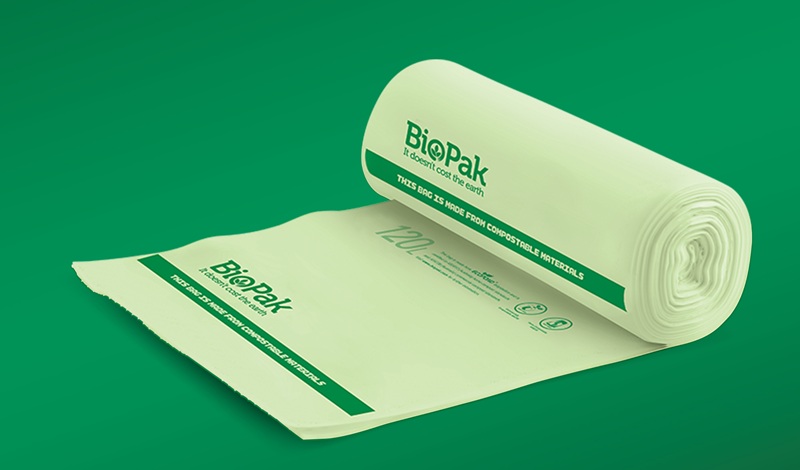
BioPak Compostable Bags
Made from plant-based materials, these bags are certified home compostable (AS5810) and industrially compostable (AS4736) to Australian standards. These bioplastic bags are available in bin liners, offering a sustainable alternative to conventional plastics.
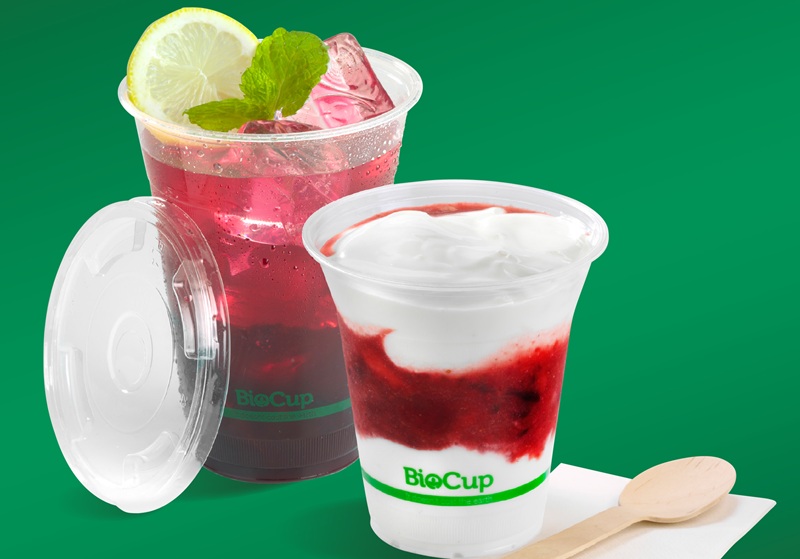
Clear BioCups and Lids
Made from bioplastic, these clear cups and lids offer excellent clarity and are ideal for cold drinks, smoothies, and takeaway beverages. These cups are certified industrially compostable to Australian AS4736 Standards and European EN13432 Standards.
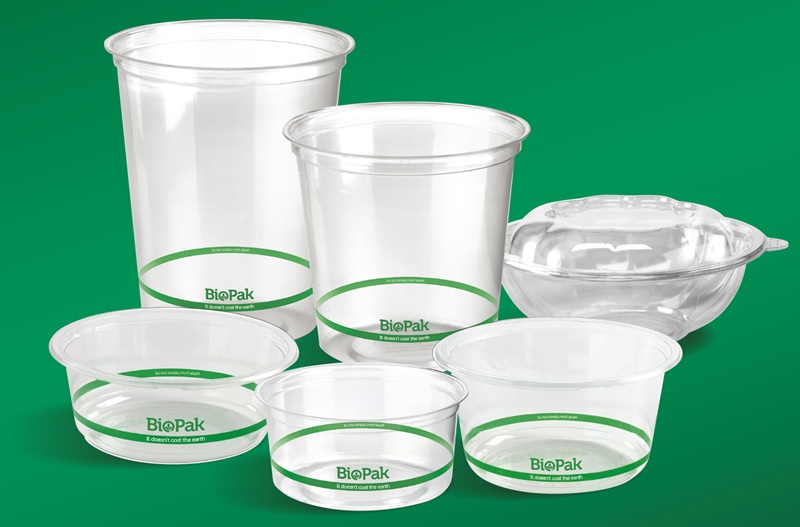
BioPak’s clear disposable bowls are a sustainable alternative to plastic bowls. These clear bowls are made from bioplastic, making them suitable for industrial composting (AS4736).
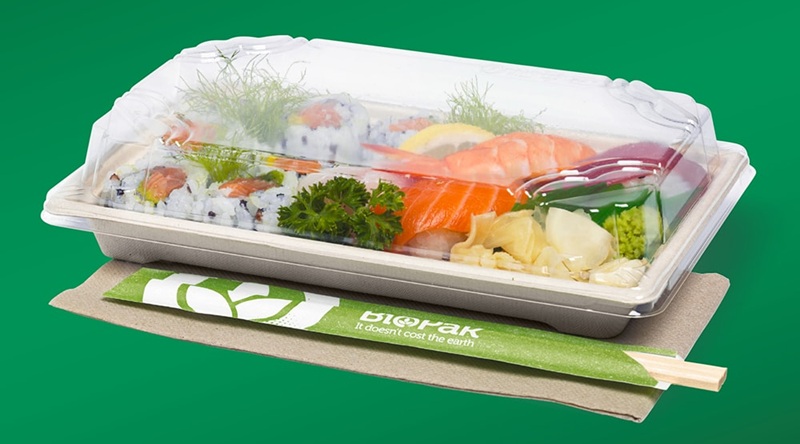
The clear sushi lids of BioPak provides a secure and stylish seal that's perfect for sushi deliveries or takeaways while keeping it fresh and visually appealing. These lids are made from bioplastic and are certified industrially compostable to Australian Standards (AS4736).
Why Material Choice Matters
Choosing plant-based bioplastic is about more than replacing one material with another. It’s about understanding how materials are sourced, used, and managed at the end-of-life. Bioplastics help build a positive impact on the planet by reducing the reliance on its finite fossil resources. It also supports innovation in renewable materials and enables better integration with composting systems.
However, the effectiveness of bioplastics depends on proper disposal and infrastructure. Without the right systems in place, even better materials can fall short of their intended impact. Plant-based bioplastics are one part of a broader shift toward packaging designed for the circular economy. When combined with responsible sourcing, clear labelling, and access to composting, they can help foodservice businesses reduce waste and improve resource recovery.
For hospitality providers, the opportunity lies in choosing materials that not only perform well but also align with evolving expectations around transparency, accountability, and responsible production. These plant-based bioplastic products are all available at Reward Hospitality, giving businesses a practical way to reduce waste while meeting modern sustainability standards.