For hospitality operators, packaging plays a critical role in the customer experience. The quality of a takeaway meal is influenced not only by the food itself, but also by how well it travels. The right container helps maintain temperature, texture, presentation and freshness from kitchen to customer.
At the same time, changing regulations and growing consumer demand for sustainable packaging are influencing purchasing decisions across the foodservice industry. With single-use plastic bans now in effect across Australia, businesses are increasingly seeking packaging solutions that balance functionality, sustainability and compliance.
Understanding Common Takeaway Packaging Materials
Different food types require different packaging solutions. Selecting the right material can help preserve food quality while supporting operational efficiency.
Cardboard Containers
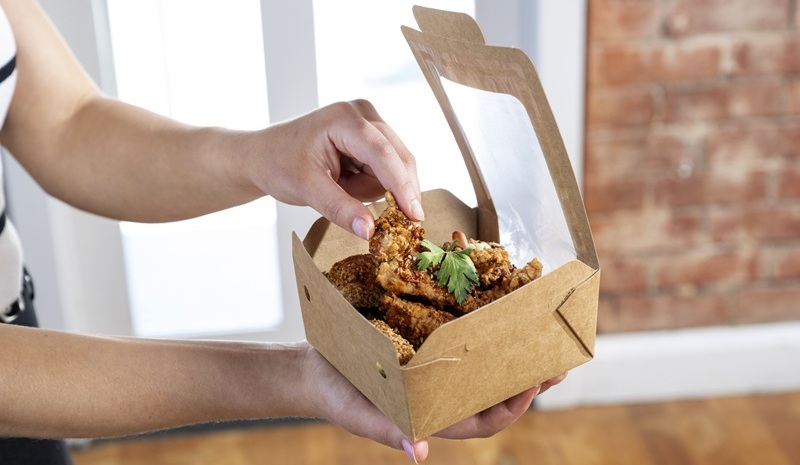
Corrugated cardboard packaging is a popular option for hot takeaway foods such as burgers, fried items and meal boxes. The fluted construction creates an insulating air layer that helps retain temperature during transport.
Many cardboard containers also include ventilation features that allow steam to escape, helping maintain the crispness of fried foods and reducing condensation build-up. This makes cardboard particularly effective for menu items where texture is important.
Sugarcane (Bagasse) Containers
Made from a by-product of sugar production, sugarcane fibre, or bagasse, has become a widely used sustainable packaging material.
Sugarcane containers are suitable for hot, cold and greasy foods and offer excellent durability. They are also microwave-safe and can tolerate high temperatures, making them ideal for meals that customers may wish to reheat later. Many sugarcane products are certified compostable under Australian standards, providing an attractive option for businesses looking to reduce their environmental impact.
Lined Paperboard Containers
Lined paperboard containers are designed for menu items with higher moisture or grease content. The interior lining acts as a protective barrier, helping prevent leaks and maintaining the strength of the container throughout delivery.
These products are commonly used for saucy dishes, loaded meals, salads and other foods where presentation and functionality are equally important. Windowed designs can also enhance product visibility and customer appeal.
Matching Packaging to Your Menu
The most effective takeaway packaging is tailored to the food being served. Factors such as heat retention, moisture control, ventilation and leak resistance should all influence packaging selection.
Lunch and Grab-and-Go Meals
Busy lunch periods often require versatile packaging that can accommodate a wide variety of menu items.
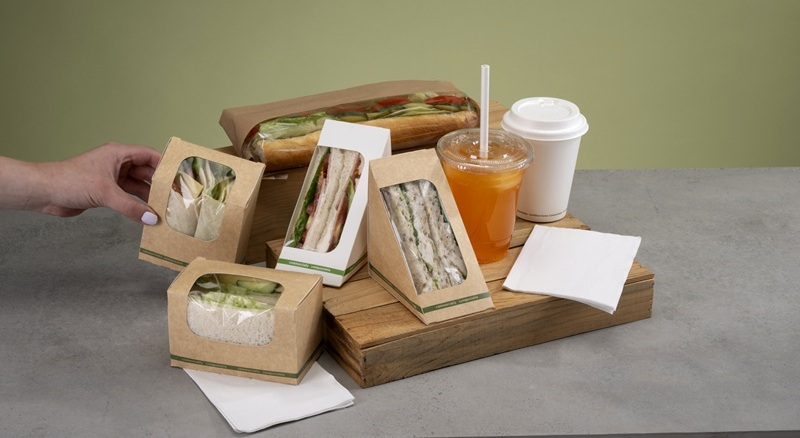
Fresh sandwiches, wraps and salads benefit from packaging that offers convenience and visibility, while hot meals require containers with greater insulation and structural strength to protect food quality during transport. Selecting purpose-designed packaging for each menu category can improve both kitchen efficiency and customer satisfaction.
Asian and Fusion Cuisine
Asian-inspired dishes often present unique packaging challenges due to their moisture content and variety of formats.
Curries, noodle dishes, soups and rice bowls generally require containers that can handle heat and liquids without softening or leaking. Secure-fitting lids are essential for ensuring safe transport.
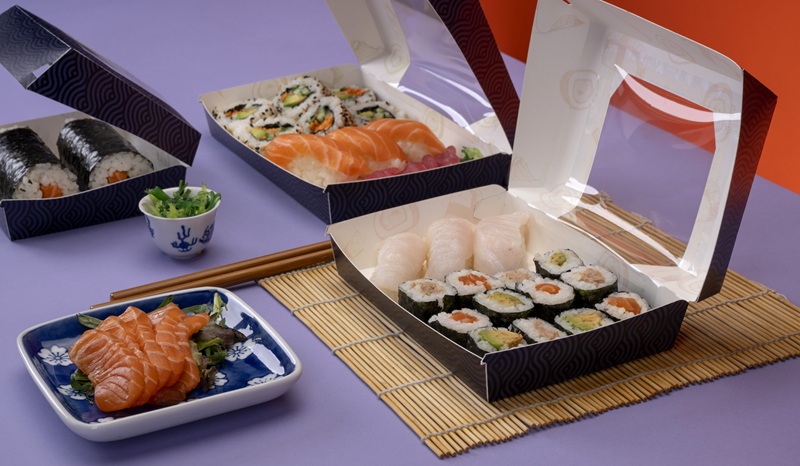
Meanwhile, sushi, rice paper rolls and other dry items are best suited to rigid containers that maintain presentation and prevent movement during delivery.
Street Food and Fried Foods
For fried foods, ventilation is one of the most important packaging features. Without adequate airflow, trapped steam can quickly compromise texture and crispness.
Containers designed with ventilation openings allow moisture to escape while retaining heat, helping chips, wedges and other fried favourites arrive in better condition. Good grease resistance is equally important to maintain packaging integrity throughout the customer journey.
Key Features to Consider
When evaluating takeaway food containers, hospitality operators should consider several practical performance factors:
- Ventilation - Helps release steam and maintain food texture, particularly for fried products.
- Grease Resistance - Reduces the risk of leaks, staining and packaging failure when serving oily or high-fat foods.
- Heat Retention - Supports food quality by maintaining appropriate serving temperatures during transport.
- Microwave and Refrigeration Compatibility - Provides added convenience for customers and greater flexibility for foodservice operations.
- Sustainability Credentials - Look for packaging that aligns with relevant recycling or compostability standards and local regulations.
- Delivering a Better Takeaway Experience - Effective takeaway packaging should do more than simply contain food. It should help preserve flavour, protect presentation, support sustainability goals and enhance the overall customer experience.
By selecting packaging materials that suit both your menu and operational needs, hospitality businesses can ensure their food arrives looking and tasting its best, while meeting the evolving expectations of today's consumers.