Foil trays have long been the core infrastructure of busy commercial kitchens, high-volume catering services, and fast-paced takeaway operations. Renowned for being exceptionally lightweight, remarkably durable, and highly heat-conductive, they have served for decades as a practical, reliable staple for preparing, transporting, and serving diverse cuisines.
However, fast-evolving consumer cooking habits and a cultural shift toward ultra-convenience mean that traditional packaging technology has had to rapidly innovate to keep pace.
Today’s advanced foil containers are no longer restricted to the conventional oven; instead, they serve as seamless, single-container solutions engineered to protect and support food from the depths of the commercial freezer directly to modern, high-tech kitchen appliances.
The Air Fryer Boom Drives Product Innovation
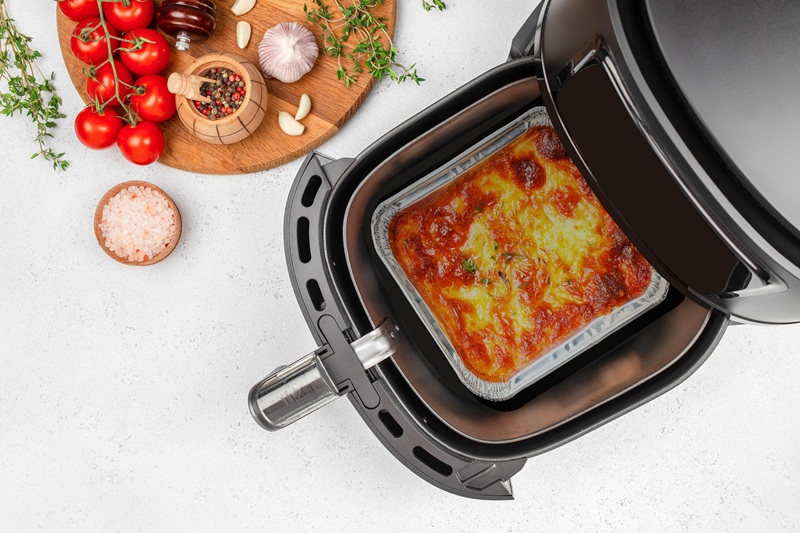
The global rise of air fryers has fundamentally shifted everyday consumer dining habits, prompting food manufacturers to transition toward highly conductive foil packaging that ensures rapid, perfectly even heating.
To capitalise on this booming market, savvy ready-meal brands and foodservice operators are increasingly rolling out premium, air-fryer-ready convenience meals. These range from single-serve artisan pasta bakes to perfectly crusted seafood fillets and crispy gourmet side dishes.
Utilising specialised foil trays in these rapid-air circulation appliances streamlines the entire cooking process and eliminates messy appliance cleanup. To achieve the best culinary results, operators just need to ensure the packaging is correctly sized to allow optimal internal airflow, kept safely clear of the upper heating elements, and always fully weighted down with food ingredients before the machine is turned on.
Debunking the Myth: Safe Foil Microwave Cooking
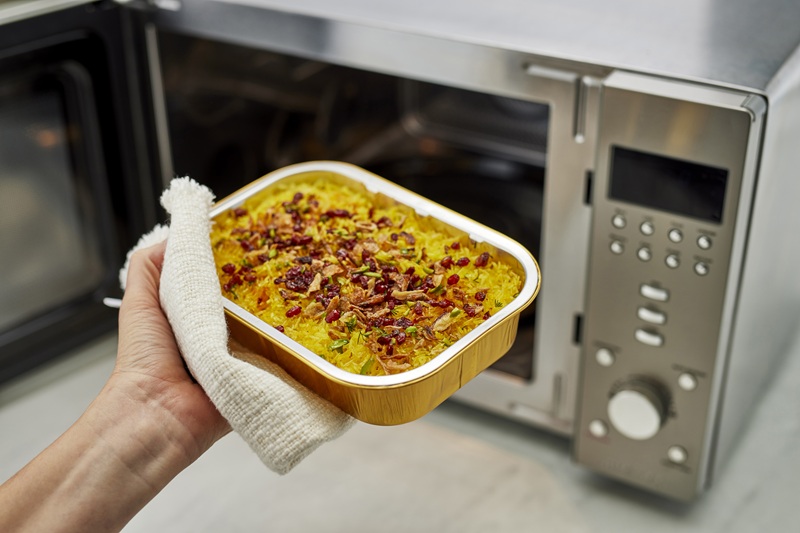
A lingering, widespread misconception in modern home cooking is that metal containers can never safely enter a microwave. However, modern, specially engineered aluminium containers can be used with total safety and efficiency when adhering to manufacturer-approved guidelines.
For suitable Confoil foil trays, this simply means heating one tray at a time in a modern appliance with the protective foil lid completely removed.
For the best thermal results and absolute safety, the food contents should cover the vast majority of the tray's bottom base, and the container must be centred directly on the spinning turntable at least 2 cm away from the internal microwave walls.
The Five Stages of the Food Journey
The operational efficiency of modern foil packaging begins long before the heating process, providing a unified system that streamlines food management from preparation to final disposal. Foil trays help businesses to eliminate production bottlenecks, reduce labour costs, and minimise everyday operational friction.
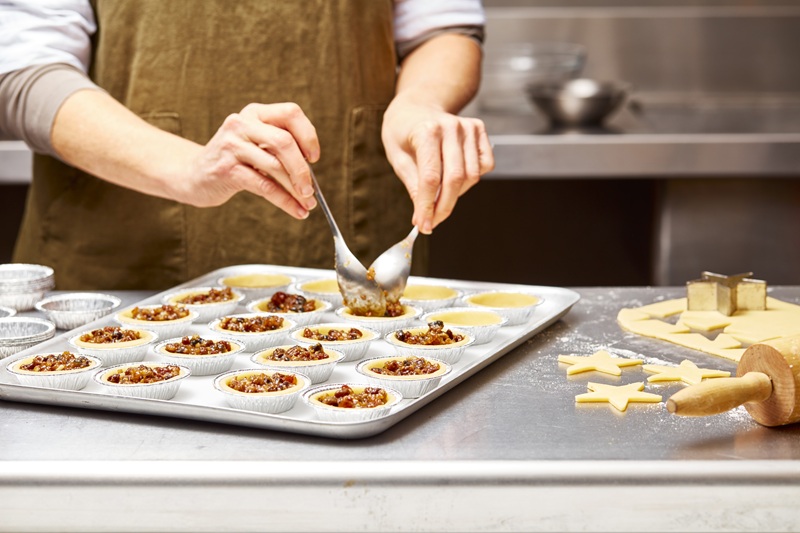
- Prepare & Portion: Operators can assemble ingredients and portion meals directly into the tray, simplifying inventory control across large batches.
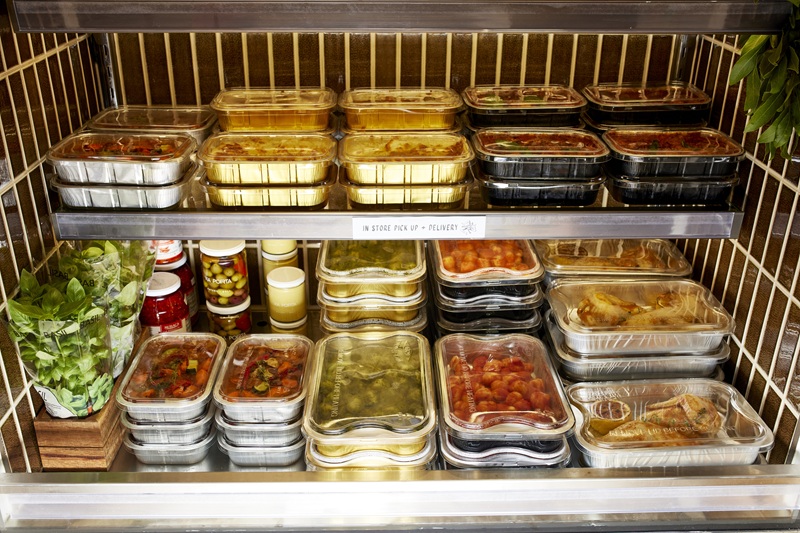
- Chill & Freeze: The filled trays transition straight into refrigeration or blast freezers, utilising stackable designs and secure lids to protect inventory.
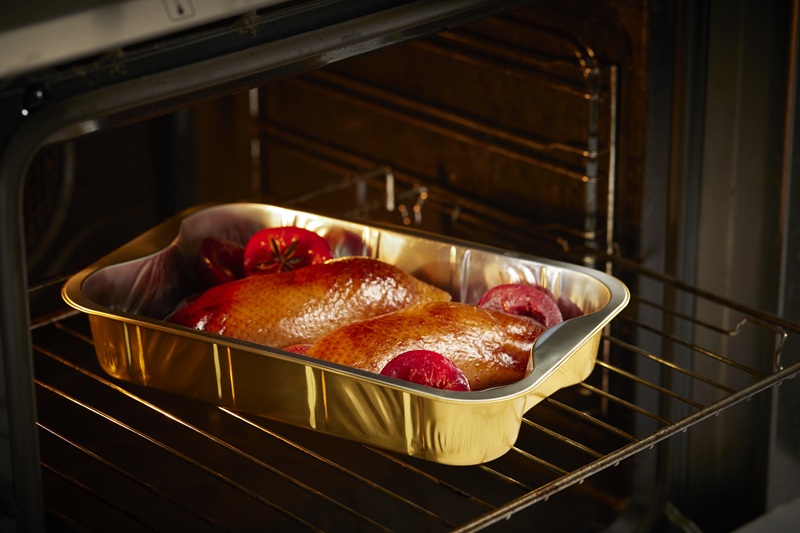
- Cook & Reheat: When ready for service, the same container safely enters conventional ovens, air fryers, or microwaves without requiring a container swap.
- Transport & Serve: Presentation-ready formats move seamlessly from cooking elements to takeaway, delivery, or tableside service, minimising handling and accidental spills.
- Easy to Recycle: The journey concludes with eco-friendly cleanup, requiring users to simply rinse away heavy food residue before placing the tray into standard kerbside recycling bins.
Built for the Demands of Busy Commercial Kitchens
Beyond everyday convenience, implementing foil tray workflows provides foundational operational benefits for high-volume foodservice, catering, and subscription meal-delivery businesses.
By keeping food in one reliable vessel throughout its lifespan, commercial operations can significantly optimise their internal workflows, slash manual cleanup times, and reduce the total number of expensive dishes required across the line. This versatility allows cafes, bakeries, and large-scale function operators to scale up production while maintaining rigorous standards of quality and visual presentation.
In the domestic kitchen, these exact same commercial principles apply, giving home cooks the ability to plan, store, and cook meals with far less transferring and minimal washing-up.
Finding the ideal packaging solution ultimately depends on aligning the specific size, depth, and sealing requirements of your menu with your primary cooking methods.
The complete commercial range of shapes, depths, and portion-sized Confoil trays is available now through Reward Hospitality to support your evolving food journey.