A great pizza starts with great dough, but the recipe is only part of the process. How you store, proof, and handle your dough has just as much impact on the result. Even a tried-and-tested recipe can produce inconsistent pizzas if the dough isn't managed properly. The crust may bake unevenly, the texture can change, and the dough may become difficult to stretch or shape. Keeping dough consistent isn't always easy in a busy commercial kitchen. Small mistakes quickly add up, leading to wasted dough, slower prep times, and pizzas that don't meet the same standard every time. But with the right storage, handling, and workflow, you can produce dough that performs consistently from one batch to the next.
Why Dough Management Matters More Than Your Recipe
Why Can a Great Recipe Still Produce Poor Pizza?
Poor storage can dry out the dough, create a tough surface, or cause it to ferment too quickly. If dough isn't covered properly, it can lose moisture and become difficult to stretch. Storing it at the wrong temperature can lead to overproofing or underproofing. Both affect the texture and flavour of the finished crust. Handling also makes a difference. Pressing too much air out of the dough, stretching it too aggressively, or repeatedly reshaping it can weaken the dough structure. The result is often a pizza that bakes unevenly, has poor oven spring, or lacks the light, airy texture customers expect.
The Cost of Poor Dough Management
Poor dough management affects more than the quality of your pizza. It can also increase operating costs and slow down your kitchen. Dough that overproofs, dries out, or becomes damaged often must be thrown away. That means wasted ingredients, extra labour, and more time spent preparing replacement batches. Staff may also struggle to shape inconsistent dough, which slows service during busy periods.
5 Mistakes That Are Ruining Your Pizza Dough
1. Incorrect Proofing Times
Proofing gives dough time to develop flavour, structure, and the right amount of rise. Get the timing wrong, and the quality of your pizza suffers. Underproofed dough feels tight and springy. It can be difficult to stretch and often snaps back into shape. When baked, the crust may turn out dense with limited oven spring. Overproofed dough causes a different set of problems. It becomes soft, sticky, and fragile. It can tear easily during stretching and may bake into a flat crust with little structure.
2. Poor Temperature Control
Temperature affects every stage of dough development. Even small changes can alter fermentation and make dough behave differently. Opening the fridge frequently or storing dough in areas with uneven cooling can create temperature swings that lead to inconsistent proofing. Kitchen conditions also matter. On hot days, dough proofs faster than expected. In cooler conditions, it needs more time.
3. Inconsistent Hydration
Water plays a major role in how dough mixes, ferments, and handles. Small measurement errors make a noticeable difference. Dough with too much water can feel sticky and difficult to shape. Too little water creates a stiff dough that's harder to stretch and may produce a dense crust. Finding the right balance helps create dough that's easy to work with and bakes evenly.
4. Improper Stacking and Storage
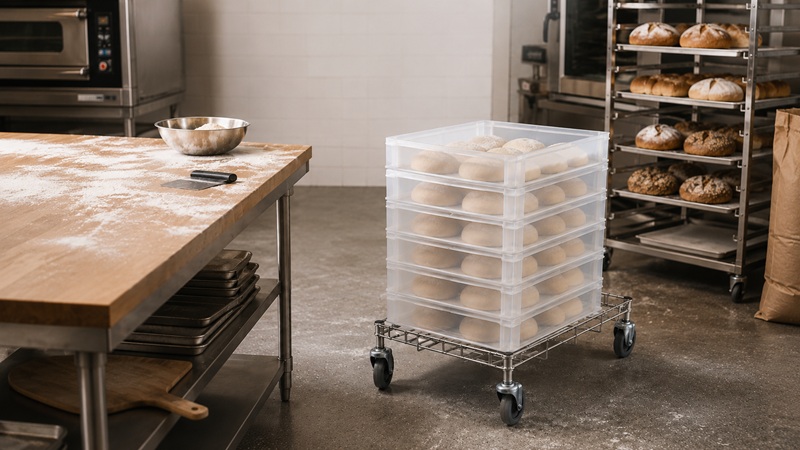
Stacking dough boxes incorrectly can restrict airflow or place too much pressure on the dough. If boxes are overloaded or stacked unevenly, dough balls can flatten or lose their shape before they're ready to use. Poor storage can also allow the surface of the dough to dry out. A dry skin makes stretching more difficult and can affect the finished crust.
5. Poor Handling and Cross-Contamination
Pressing too much air out of the dough or repeatedly reshaping it weakens its structure. The finished pizza may have a flatter, denser crust with less volume. Cross-contamination is another common problem. Using excessive bench flour can leave a bitter, burnt taste on the base of the pizza, while mixing older dough with freshly prepared batches makes it difficult to maintain consistent fermentation.
How to Improve Dough Consistency in Busy Kitchens
Optimise Dough Storage
Proper storage acts as a shield during the fermentation process, directly controlling yeast activity and managing enzymatic breakdown. Without specific environmental controls, dough will degrade rapidly, leading to poor texture, off-flavors, and structural collapse before it ever reaches the kitchen service line. Store dough in dedicated food-grade dough boxes or containers with secure lids. These help retain moisture, reduce the risk of contamination, and make it easier to organise batches. Like how Pro.cooker Dough Trays also offers a stackable design that maximises storage efficiency in cool rooms and prep areas while helping protect content from dust and cross contamination. It also allows optimal airflow and dough expansion and is made from polypropylene which is lightweight but durable.
Standardise Your Dough Recipe
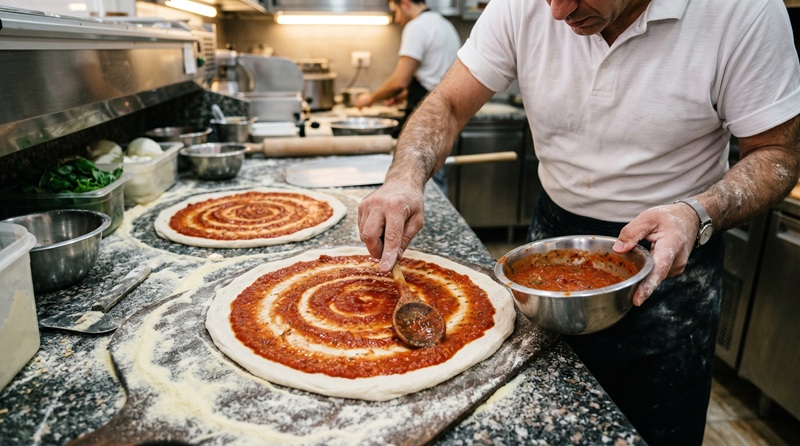
Consistency starts with a recipe that everyone follows. Measure every ingredient by weight instead of volume. Digital scales provide much greater accuracy than measuring cups and help eliminate guesswork. This is especially important for flour, water, yeast, and salt, where even slight differences can change the dough's performance.
Portion Dough Accurately
Uniform dough balls produce more consistent pizzas. They proof at the same rate, bake evenly, and create pizzas with the same size and crust thickness. Keeping track of batches is equally important. Label dough with the preparation date and time so staff know which dough to use first.
Control Proofing Times
Good proof comes down to planning. Without a clear schedule, dough can easily become overproofed during quiet periods or underproofed when service gets busy. Create a refrigerated proofing schedule that matches your production needs. Plan when dough should be mixed, portioned, refrigerated, and removed before service. This gives each batch enough time to develop while ensuring it's ready when needed.
Improve Dough Handling During Service
Pizza service moves quickly, so your dough needs to be easy to access. Constantly carrying heavy dough trays or leaving them on the bench can slow staff down and affect dough quality. A better option is to keep dough stored in stackable trays on a dough tray dolly. Simply wheel the trays to the prep station, remove one tray at a time, stretch the dough, add your toppings, and return the remaining trays to the cool room. Having a matching likd for the dough trays like the Pro.cooker Dough Tray Lid is essential as it protects pizza dough throughout storage, proofing, transport, and cooling.
Keeping dough organised helps reduce handling and protects the dough that's still proofing. It also keeps prep areas tidy and makes it easier for staff to work quickly during busy service. The Pro.cooker Dough Tray Dolly makes moving stacked dough trays simple. Its strong chrome frame and smooth-rolling castors allow staff to transport dough safely between the cool room, prep area and pizza oven. With dough always within easy reach, your team can spend less time moving trays and more time making great pizzas.
FAQs
Should I refrigerate pizza dough after it rises?
Yes. Refrigerating pizza dough after its initial rise slows fermentation and gives the dough time to develop better flavour and texture. It also makes dough preparation easier to manage, especially in commercial kitchens where batches are made in advance.
What is dough management?
Dough management is the process of preparing, proofing, storing, handling, and using dough correctly to achieve consistent results. It covers every stage after mixing, including portioning dough balls, controlling proofing times, maintaining the right storage temperature, rotating stock, and following standard handling procedures.
How do you keep pizza dough from overproofing?
The best way to prevent overproofing is to control time and temperature. Store dough in the refrigerator to slow fermentation and follow a consistent proofing schedule. Use a first in, first out system so older dough is used before newer batches and avoid leaving dough at room temperature longer than necessary. Regularly check the dough's appearance and texture rather than relying only on the clock.
What is the best container for storing pizza dough?
Food-grade dough trays or dough boxes with secure-fitting lids are ideal. They help retain moisture, protect the dough from contamination, and allow dough balls to proof consistently while making storage and transport more efficient.
Should pizza dough be covered while proofing?
Yes. Dough should always be covered during proofing to prevent the surface from drying out. Dry skin can make stretching difficult and affect the texture and appearance of the finished crust.
Why is my pizza dough hard to stretch?
Dough that springs back or tears is often underproofed or too cold. Allow the dough enough time to proof and bring it closer to room temperature before stretching. Excessive handling can also tighten the gluten and make the dough more difficult to shape.