Environmental cleaning is fundamental to infection prevention, regulatory compliance and operational safety across healthcare, aged care and commercial facilities. In high-risk environments, effective cleaning protocols are not optional they are essential to protecting people and maintaining standards.
As hygiene expectations continue to rise, facility managers must adopt structured, performance-driven cleaning systems that deliver measurable outcomes.
Why Environmental Cleaning Matters
In healthcare and aged care settings, contaminated surfaces contribute to the transmission of pathogens. High-touch surfaces such as bed rails, door handles, light switches, mobility aids and shared equipment require disciplined cleaning procedures to reduce infection risk.
In commercial environments including offices, hospitality venues, education facilities and public spaces environmental cleaning supports occupant confidence, workplace safety and brand reputation.
A robust environmental cleaning framework helps facilities:
- Reduce cross-contamination
- Improve infection prevention outcomes
- Maintain compliance with hygiene standards
- Support safer working conditions
- Improve operational efficiency
Risk-Based Cleaning: Deploy Resources Where It Matters Most
Cleaning frequency and methodology should align with risk level. High-touch and high-traffic areas require increased attention and validated cleaning processes.
Critical zones may include:
A risk-based model ensures that time, labour and product investments deliver maximum impact.
The Role of Microfibre in Infection Prevention
Modern infection prevention strategies increasingly rely on high-performance microfibre systems.
Premium microfibre technology can remove 99.9% or more of common tested viruses using water alone, reducing reliance on harsh chemicals while maintaining high hygiene standards.
This approach supports:
- Reduced chemical exposure in sensitive environments
- Improved soil and microbe removal
- Safer conditions for cleaning teams
- Sustainable cleaning practices
Rubbermaid Commercial Products HYGEN® Microfibre: Designed for Infection Prevention
The Rubbermaid Commercial Products HYGEN® Microfibre System is engineered specifically for healthcare, aged care and high-performance commercial cleaning.
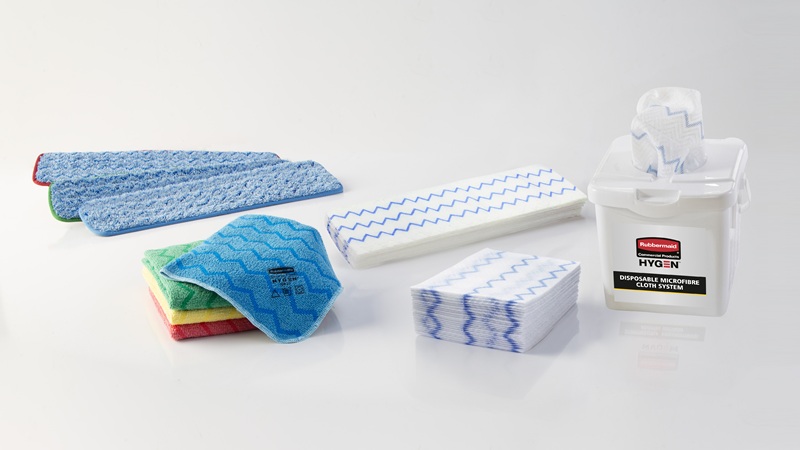
HYGEN® consists of both Durable and Disposable platforms, offering flexibility across risk levels and facility types:
Durable Microfibre
- Designed for repeated laundering
- High absorbency and superior soil removal
- Ideal for routine cleaning and long-term cost efficiency
Disposable Microfibre
- Single-use application to reduce cross-contamination risk
- Lint-free performance
- Suitable for isolation or high-risk areas
Both platforms support removal of 99.9% or more of common tested viruses with water alone, making HYGEN® a powerful tool within structured infection prevention protocols.
By combining performance, durability and contamination control, HYGEN® helps facilities maintain consistent hygiene standards while optimising chemical usage and operational efficiency.
Standardisation and Training: The Foundation of Effective Cleaning
High-performance tools must be supported by structured processes. Facilities should implement:
- Documented cleaning protocols
- Colour-coded systems to reduce cross-contamination
- Staff training and competency validation
- Regular performance audits
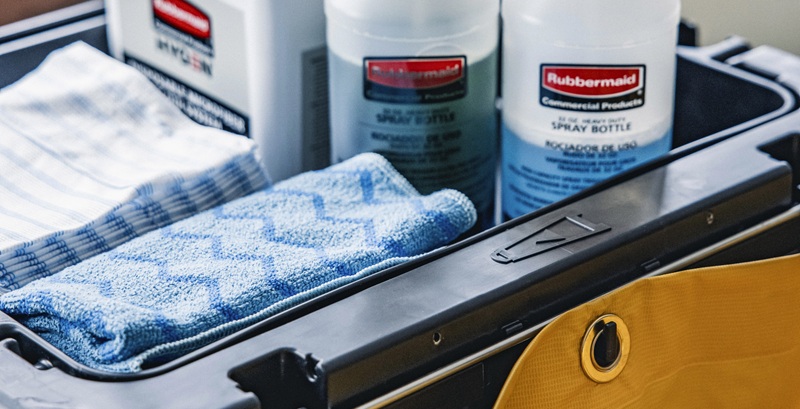
Consistency drives measurable hygiene outcomes.
Environmental Cleaning in Aged Care
Aged care facilities require additional sensitivity due to resident vulnerability.
Key areas of focus include:
- Communal spaces
- Mobility aids and equipment
- Dining areas
- Bedrooms and bathrooms
Chemical-reduced cleaning systems such as advanced microfibre can help maintain hygiene standards while supporting respiratory comfort and occupant wellbeing.
Commercial Environments and Rising Hygiene Expectations
In commercial and hospitality settings, visible hygiene standards influence customer trust and workplace confidence.
Facility managers should prioritise:
- High-touch surface protocols
- Washroom hygiene systems
- Structured waste handling
- Durable, performance-driven cleaning tools
Performance, reliability and ease of use are critical when cleaning large, high-traffic spaces.
Building a Sustainable Cleaning Framework
An effective environmental cleaning strategy should include:
- Risk assessment by facility type
- Clearly defined SOPs
- High-performance cleaning systems
- Monitoring and validation processes
- Ongoing review and optimisation
When facilities integrate structured protocols with advanced tools like the Rubbermaid Commercial Products HYGEN® Microfibre System, they create safer environments while improving operational discipline.
Final Thoughts
Environmental cleaning is central to infection prevention, regulatory compliance and occupant safety. Whether in healthcare, aged care or commercial facilities, adopting a structured cleaning framework supported by high-performance microfibre technology strengthens hygiene outcomes and operational resilience.
For facility managers seeking to enhance infection prevention standards, performance-driven systems such as Rubbermaid Commercial HYGEN® offer a practical and scalable solution.